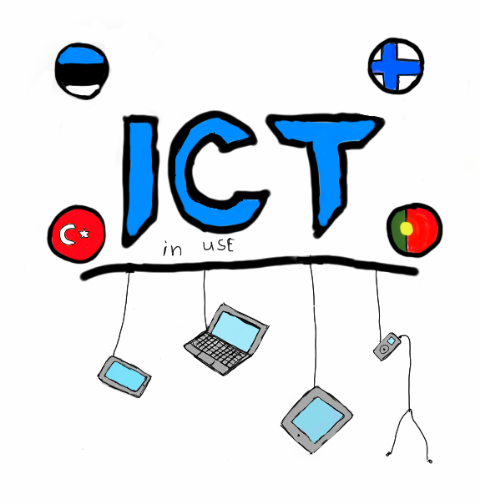
Learning ICT with my cool teacher is a lot of fun. I have experienced my three first times in this subject: publishing a blog, creating an infographic, and filing a petition. I consider constantly posting a blog as one of my greatest achievement in the second semester of my eleventh grade. I learned to use WordPress as a means of expressing my deepest thoughts. I have also published an infographic that shows my interest. I believe that ICT can really change the world and one of the sites that we have used to do our campaign and file for petition is the change.org which I believed to be very effective. I know that this is not the end of learning ICT; this is just the BEGINNING!
There are different types of medical laboratory workers. Some identify the causes of diseases, while others study toxins and their effects. Sometimes they deal with hazardous materials.
Medicine is the field of health and healing. It includes nurses, doctors, and various specialists. It covers diagnosis, treatment, and prevention of disease, medical research, and many other aspects of health.
Medicine aims to promote and maintain health and wellbeing.
Conventional modern medicine is sometimes called allopathic medicine. It involves the use of drugs or surgery, often supported by counseling and lifestyle measures.
Alternative and complementary types of medicine include acupuncture, homeopathy, herbal medicine, art therapy, traditional Chinese medicine, and many more.
Fields of medicine
Modern medicine has many fields and aspects. Here are some of them.
Clinical practice
A clinician works with patients in a health setting.
A clinician is a health worker who works directlywith patients in a hospital or other healthcare setting. Nurses, doctors, psychotherapists, and other specialists are all clinicians.
Not all medical specialists are clinicians. Researchers and laboratory workers are not clinicians because they do not work with patients.
The physician assesses the individual, with the aim of diagnosing, treating, and preventing disease using knowledge learned from training, research, and experiences, and clinical judgment.
Biomedical research
This area of science seeks ways to prevent and treat diseases that lead to illness or death.
Biomedical scientists use biotechnology techniques to study biological processes and diseases. They aim to develop successful treatments and cures.
Biomedical research requires careful experimentation, development, and evaluation. It involves biologists, chemists, doctors, pharmacologists, and others.
Medications
This field looks at drugs or medicines and how to use them.
Doctors and other health professionals use medications in the medical diagnosis, treatment, cure, and prevention of disease.
Surgery
Surgical procedures are necessary for diagnosing and treating some types of disease, malfomation, and injury. They use instrumental and manual means rather than medication.
A surgeon may carry out a surgical procedure to remove or replace diseased tissue or organs, or they may use surgery to remove tissue for biopsy. Sometimes, they remove unwanted tissue and then send it for diagnosis.
Medical devices
Health professionals use a wide range of instruments to diagnose and treat a disease or other condition, to prevent a worsening of symptoms, to replace a damaged part — such as a hip or a knee — and so on.
Medical devices range from test tubes to sophisticated scanning machines.
Alternative and complementary medicine
Ayurveda is an ancient healing art and a form of alternative medicine.
This includes any practice that aims to heal but is not part of conventional medicine. Techniques range widely. They include the use of herbs, manipulation of “channels” in the body, relaxation, and so on.
Alternative and complementary do not have the same meaning:
Alternative medicine: People use a different option from the conventional one, such as using relaxation measures to improve headaches, rather than pain relief medication.
Complementary medicine: People add another treatment option to a main treatment. For example, they may use relaxation as well as pain relief medication for a headache.
Alternative and complementary therapies are often based on traditional knowledge, rather than scientific evidence or clinical trials.
Examples include homeopathy, acupuncture, ayurveda, naturopathic medicine, and traditional Chinese medicine.
Clinical research
Researchers carry out investigations to find out which diseases are present, why they occur, what can treat or prevent them, what makes them more likely to happen, and many other aspects of health.
Clinical trials are one aspect of clinical research. They aim to find out if a therapy — often a drug — is safe and effective to use when treating a specific condition.
The most effective way to demonstrate the effectiveness of a drug or technique is to carry out a double-blind, random, long-term, large clinical human study.
In this type of study, researchers compare the effect of a therapy or drug in with either a placebo, no treatment, or another therapy or drug.
These treatments do not involve medication, although a person may use medication alongside them.
Physical therapy can help improve strength and flexibility in people who have a condition that affects their musculoskeletal system.
Occupational therapy can teach people new and better ways to do things physically. A person who has had a stroke, for example, may benefit from learning again how to walk, using techniques that perhaps they did not use before.
Other fields of medicine include pharmacology and pharmacy, nursing, speech therapy, medical practice management, and many more.
Branches of medicine
There are many branches in medicine. Here are some of them.
Anatomy is a field of medicine that looks at the different parts that make up the body.
Anatomy: This is the study of the physical structure of the body.
Biochemistry: A biochemist studies chemical components and how they affect the body.
Biomechanics: This focuses on the structure of biological systems in the body and how they work, using a mechanical approach.
Biostatistics: Researchers apply statistics to biological fields. This is crucial for successful medical research and many areas of medical practice.
Biophysics: This uses physics, mathematics, chemistry, and biology to model and understand the workings of biological systems.
Cytology: This is a branch of pathology that involves the medical and scientific microscopic study of cells.
Embryology: This branch of biology studies the formation, early growth, and development of organisms.
Endocrinology: Scientists investigate hormones and their impact on the body.
Epidemiology: Researchers track the causes, distribution, and control of diseases in populations.
Genetics: This is the study of genes and their impact on health and the body.
Histology: This involves looking at the form of structures under the microscope. It is also known as microscopic anatomy.
Microbiology: This is the study of organisms that are too small to see with the naked eye, known as microorganisms. Aspects of microbiology include bacteriology, virology, mycology (the study of fungi), and parasitology.
Neuroscience: Neuroscientists study the nervous system and the brain and investigate diseases of the nervous system. Aspects of neuroscience include computational modeling and psychophysics. Some types of neuroscience are cognitive neuroscience, cellular neuroscience, and molecular neuroscience.
Nutrition: Nutritionists study how food and drink influence health, and how they can help treat, cure, and prevent different diseases and conditions.
Pathology: This is the study of disease. A pathologist often works in a laboratory, where they do tests — usually on a sample of blood, urine, or body tissue — to help diagnose diseases and conditions.
Pharmacology: This involves the study of pharmaceutical medications, or drugs, where they come from, how they work, how the body responds to them, and what they consist of.
Radiology: Radiologists use X-rays and scanning equipment during the diagnostic procedure, and sometimes as part of treatment, too.
Toxicology: A toxicologist studies poisons, what they are, what effects they have on the body, and how to detect them.
These are not all the aspects and fields of medicine. Many people work in patient transportation, dentistry, not to mention the many different specialties that physicians can choose to follow, such as emergency medicine.
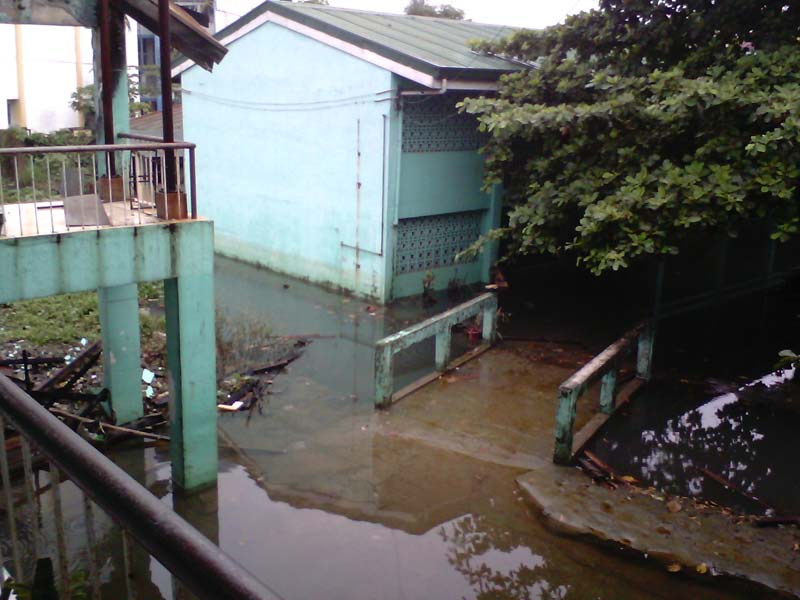
Flooding in school communities is a common problem faced by many in this country. In 2013, according to the DepEd data, 16.3% of the elementary schools (that is, over 5,000 schools) were flooded at least once. Closed to 5% or 1,467 schools were flooded three or more times and 568 schools experienced 5 or more floods. Among public high schools, 17.2% were flooded at least once. It stands as an obstacle towards students who who attend school for the sake of learning and of gaining education. It causes disturbance among the students’ daily tasks in school and may contribute to their unwillingness to go to school. There is also a threat on their health because the stocked water may be inhabited by mosquitoes and it’s also unclean. Here in SPAC, the flooding occurs in the Senior Academy building every time when it rains so hard the rainwater ends up in the floor of the rooms since there is no proper drainage system. It is a big nuisance for those who have their classrooms in the ground. Our organization, The Flooding Fighters suggests that the school administration should give funds to the Senior High building for the drains. This act can greatly help the students and improve SPAC’s facilities too, yet it is understandable since the construction is still ongoing.
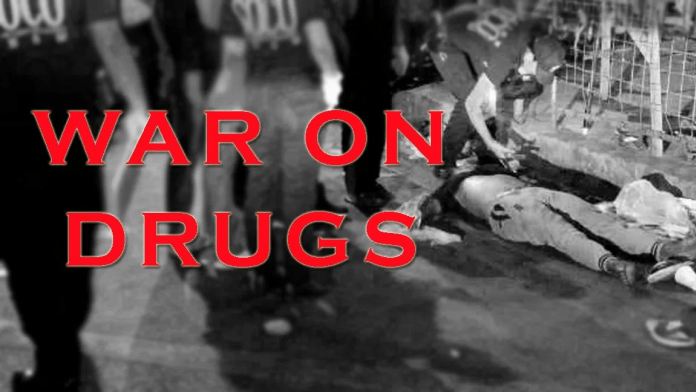
Manila, Philippines – Nanindigan ang Philippine National Police na 4, 854 lang ang napapatay sa War on Drugs ng administrasyon at hindi mahigit 20, 000 na iginigiit ng iba’t ibang mga unibersidad at People’s Organizations.
Sa news Conference ng #RealnumbersPH sa kampo Crame, ang bilang na 4, 854 ay simula nang pumasok ang duterte administration noong 2016 at hanggang August 31, 2018.
Ang bilang na ito ng mga nasawi ay nanlaban umano kaya napatay sa anti-illegal drug operation ng PNP
Sinabi ni PNP Spokesperson Police Chief Supt. Benigno Durana, lahat ng mga naitalang patay na nasa kategoryang Death Under Investigation o DUI ay isinama ng mga kritiko ng administrasyon na mga namatay sa war on drugs kaya malaki ang bilang na kanilang naitala.
Kaugnay nito, As of Aug 31, 2018 may 153, 193 na mga drug personality ang naaresto kabilang ang 576 na Opisyal o empliyado ng gobyerno.
13 nang mga Clandestine Laboratory ang nabuwag kasama na ang pinakahuli sa Ocean Aire Residences sa Pasay City na sinalakay kagabi.
Umabot sa halagang 17.39 Billion pesos ng Shabu ang nakumpiska sa loob ng dalawang taon.
Sa mahigit na 42, 000 Barangay sa bansa ay 8, 444 ang ideneklarang drug cleared barangays.




 devier